Is Your Attic Ready for Winter?
Why Now Is the Time to Upgrade Your Attic Insulation
As temperatures begin to drop across Wisconsin, homeowners start turning up the thermostat and preparing their homes for another long winter. But there’s one important area that often gets overlooked when preparing for cold weather: the attic.
Your attic plays a major role in your home’s energy efficiency and comfort. If your attic insulation is old, damaged, or simply not thick enough, your home could be losing valuable heat through the ceiling and roof.
Before winter arrives, now is an excellent time to evaluate your attic insulation and determine whether adding more insulation or removing the old material and installing new insulation could help improve your home’s performance.
Why Is Attic Insulation So Important?
During the winter, warm air naturally rises toward the upper areas of your home. Without adequate attic insulation and proper air sealing, that heat can escape through the ceiling and into the attic.
When heat escapes, your furnace has to work harder to maintain a comfortable indoor temperature. This can contribute to higher heating costs, uneven temperatures between rooms, and a home that never seems to feel quite warm enough.
Proper attic insulation helps:
- Reduce unwanted heat loss during the winter.
- Improve indoor comfort and temperature consistency.
- Reduce the workload on your heating and cooling system.
- Help control energy costs.
- Keep your home more comfortable throughout the year.
Insulation isn’t just about staying warm in the winter. It also helps keep unwanted heat out during the summer months.
Signs Your Home May Need More Attic Insulation
Many homeowners don’t realize their attic insulation is inadequate until they start noticing problems inside their homes.
Here are a few signs that it may be time to have your attic evaluated:
1. Your Energy Bills Keep Increasing
If your heating bills seem unusually high, inadequate insulation or air leakage could be contributing to the problem.
2. Certain Rooms Feel Colder Than Others
Are bedrooms, upstairs rooms, or areas near exterior walls noticeably colder? Uneven temperatures can sometimes indicate insulation deficiencies or air leaks.
3. Your Home Has Drafts
Cold air entering around ceilings, access openings, recessed lights, and other penetrations may indicate areas that need air sealing.
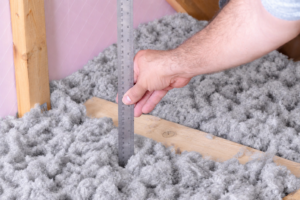
4. Your Attic Has Very Little Insulation
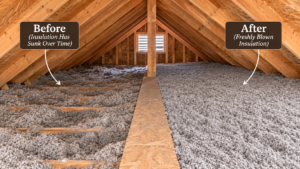
Older homes may have significantly less insulation than recommended for today’s energy-efficiency standards. If your attic insulation looks thin or uneven, it may be time for an upgrade.
5. Your Insulation Is Old, Damaged, or Contaminated
Insulation that has been affected by moisture, pests, or other damage may no longer be performing as intended.
If any of these sound familiar, an attic evaluation can help determine what improvements your home may need.
Should You Add More Insulation or Remove the Old Insulation and Start Over?
One of the most common questions homeowners ask is whether they need to remove their existing insulation before installing new material.
The answer depends on the condition of the insulation already in place.
Adding Insulation Over Existing Insulation
If your current insulation is dry, clean, and in good condition, it may be possible to add additional insulation directly over it.
This is often a practical way to improve your attic’s overall insulation level without removing material that is still performing properly.
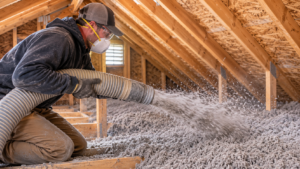
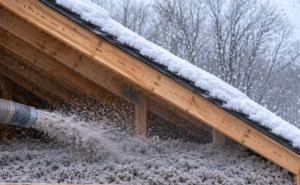
Blown-in cellulose insulation is one option that can be used to increase insulation coverage and help fill areas where additional insulation is needed.
Removing Old Insulation and Installing New
In some situations, removing the existing insulation is the better option.
This may be recommended when insulation is:
- Damaged by water or moisture.
- Contaminated by rodents or other pests.
- Heavily soiled or deteriorated.
- Affected by mold or other concerns.
- Installed improperly or preventing necessary repairs.
Removing the old material allows the attic to be inspected and addressed before new insulation is installed.
The best approach depends on the condition of your attic, the existing insulation, and your home’s specific needs.
Don’t Forget About Air Sealing
Adding insulation is important, but insulation alone may not solve every energy-efficiency problem.
Small gaps and openings around plumbing pipes, electrical penetrations, ceiling fixtures, attic access openings, and other areas can allow warm air to escape into the attic.
That’s where air sealing comes in.
Air sealing helps close these gaps and reduce unwanted air movement between your living space and attic. Addressing air leaks before adding insulation can help improve the overall performance of your attic insulation.
A properly evaluated attic should consider both insulation levels and air leakage.
Why Should You Upgrade Your Attic Insulation Before Winter?
Fall is an ideal time to take care of attic insulation improvements.
Once Wisconsin temperatures drop, your home will rely heavily on its insulation to help maintain comfortable indoor temperatures.
Taking care of insulation improvements before the coldest weather arrives offers several advantages:
- Get ahead of the cold: Improve your home’s insulation before freezing temperatures become the norm.
- Improve comfort: Address areas that may be contributing to cold rooms and temperature fluctuations.
- Prepare for the heating season: Give your home a better opportunity to retain heat.
- Avoid waiting until the last minute: Scheduling ahead can help you avoid the rush when winter weather sets in.
Your attic insulation is something you benefit from every day, so it makes sense to address potential problems before winter is in full swing.
Let A+ Insulation Help Prepare Your Home for Winter